Home → What Mini Split Is Not to Buy in 2026
By Johannason Windmore · Updated July 20, 2026What Mini Split Is Not to Buy in 2026
If you're asking what mini split is not to buy in 2026, the answer isn't one brand. It is the characteristics of the units and some sad owner reports that illustrate the real answer. Avoid unbranded white label units of brands that didn't exist last year. These companies typically lack the support infrastructure for refunds and are hard to contact. If you see a tempting R-410A closeout sale DO NOT BUY IT. These units are likely old and are less efficient, you are asking for trouble with these. Instead, try to buy a R-454B system in 2026. If you see a flare-fitting kit sold as "easy DIY" avoid it, it's not really "DIY". The last kind of do not buy mini-split is one that is too large or too small for a space. Make sure you size your space correctly before purchasing.
What Mini Split Is Not to Buy: The Red-Flag Table
| Red-flag listing type | Why it burns you | What to buy instead |
|---|---|---|
| Unbranded white-label unit, rotating name | Warranty and parts vanish when the storefront renames | Daikin, Fujitsu, Mitsubishi, Pioneer, Cooper & Hunter, Zone Air, MrCool |
| R-410A closeout stock | Phased-out refrigerant, shrinking parts supply, dated design | Current R-454B or R-32 units from any established brand |
| Flare kit sold as "easy DIY" | Needs a vacuum pump, flaring skill, and EPA 608; leaks kill it | True DIY pre-charged quick connect: Zone Air, MRCOOL |
| ROVSUN-tier thin-support import | Hardware exists, but parts and warranty help run thin | Della or Pioneer at similar money, with real parts pipelines |
| Any unit oversized for the room | Short cycling: worse comfort, higher bills, shorter life | The right size, via the 20–25 BTU per sq ft rule |
Refrigerant and spec details are manufacturer-published; verify current listings as of July 2026.
Trap One: The Rotating-Name White Label
On any marketplace you'll find 12,000 BTU units at prices that undercut Pioneer by $100 to $200. These units will often wear brand names with no website. Because they lack a website, there's usually no US parts operation and no history either. That hardware might work on day one, but as soon as any problems arise, you're out of luck. Before you've even realized the "brand" has renamed, the listing is gone, if it has a warranty, you won't even know who to contact. A mini-split is something you should plan on having for 10-plus years. If you cheap out on it, it will cost you in the end.
Trap Two: R-410A Closeout Stock
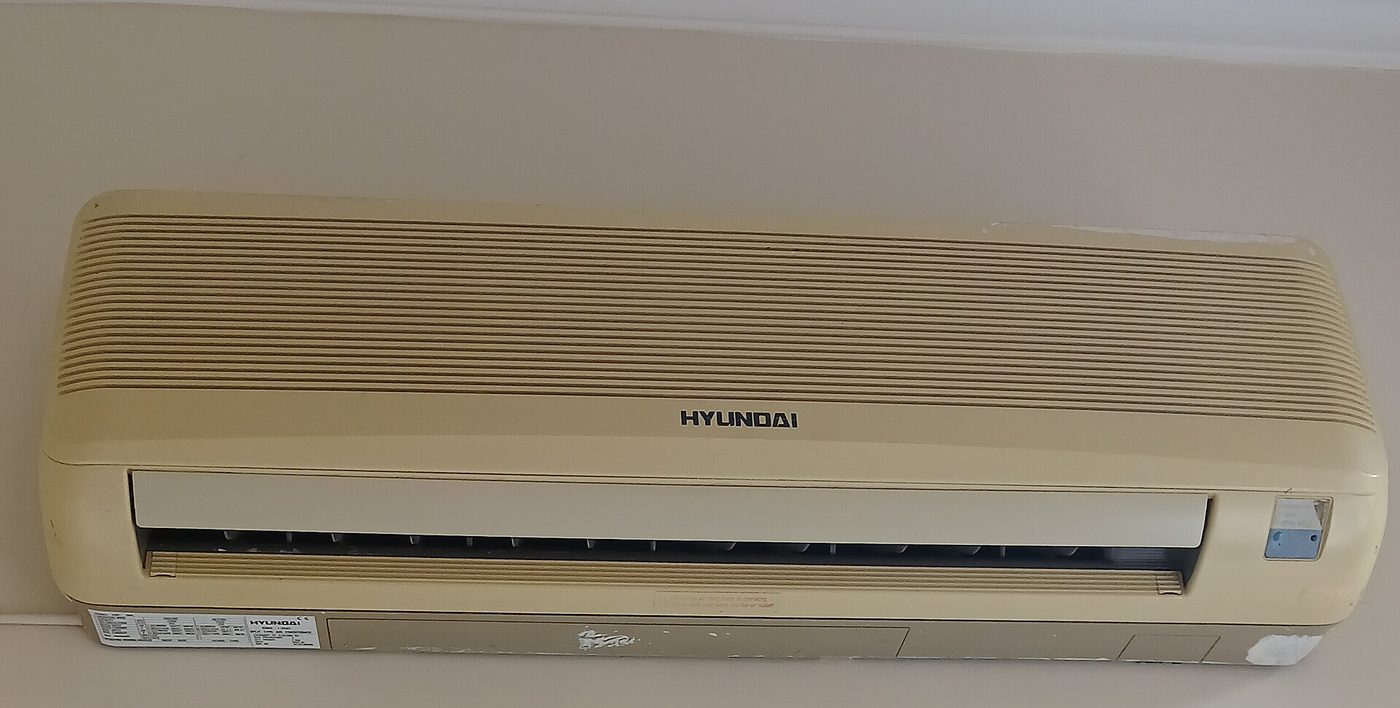
The HVAC industry is finishing its transition from R-410A to R-454B. Modern units ship with R-454B or R-32. This switch left a lot of warehouses with old R-410A stock that they are looking to clear fast for cheap. DON'T BUY THESE. You'd be buying a last-generation design. The refrigerant, parts and service costs will all certainly go up. The $300 you could save today is not worth it from a long-term financial perspective.
Trap Three: The Flare Kit Wearing a DIY Costume
Senville, Pioneer, Cooper & Hunter, and Della make legitimate hardware, the problem is that some of these systems are marketed as "DIY." These units do not come with pre-charged line-sets and therefore do not land on our list of true "DIY" systems. These systems need flaring, a vacuum pump, and an EPA 608 certification to work with the refrigerant. In fact, if you don't have a certification and choose to handle these systems, its illegal. Refrigerant leaks from bad connections end more mini splits than any component failure. If you want an easy install, buy a pre-charged quick-connect system. You can legally install these with no certification and very little experience. If you own a vacuum pump and know your way around a flare, then you can consider the budget flare brands.
Trap Four: The Right Unit in the Wrong Size
An oversized mini split is not as good of an idea as it may seem. Nowadays, new mini-splits have inverter technology that allows them to ramp the compressor speed up and down to match the room's heating or cooling load. However, in extreme oversizing cases, these inverters can't modulate low enough and they will short cycle. The fix costs nothing. Size from the 20 to 25 BTU per square foot rule, adjust for climate, insulation, ceiling height, and sun, and run your numbers through our sizing calculator before spending a dollar. Buying a 24k unit for a 12k room may seem like a good idea, but in the long run it will cost you the lifespan of your unit.
The Set That Is Safe to Buy
Once you know what to look for the list of brands is pretty short. For true DIY pre-charged installs choose Zone Air (up to 24 SEER2, rated to −13°F, R-454B quick connect, 115V option, from $1,899) and the MRCOOL DIY 5th Gen (~23.5 SEER2, 7-year registered compressor warranty, solid reputation, multi-zone to five heads). EG4 is good for the solar setups, with pre-charged units on select models. If you know what you're doing and have an HVAC background: Senville AURA (rated to −22°F), Pioneer Diamante (standout parts support), and Cooper & Hunter's Hyper Heat lines. Della is more at the budget end and is best when you have a legitimate installer. Each of these brands has a parts pipeline and a track record, which is precisely what the four traps lack. Our reliability rankings break down the field record brand by brand.
The Limits of This List
Speaking honestly. Every month we see new brands selling "white label" boxed units. Our ROVSUN caution rests mostly on owner reports about support, not on hardware teardowns. If the company were to build out more US support for customers our verdict would likely change. It's important to note that marketplace listings change constantly, so verify current listings as of July 2026, and treat any spec on a no-name listing as unverified until the manufacturer's own site confirms it.
FAQ: What Mini Split Is Not to Buy
What mini split is not to buy?
Do not buy an unbranded marketplace units sold under a rotating name. Leftover R-410A stock, flare-fitting kits marketed as easy DIY or any unit oversized for the room. Each one fails a different way, vanished warranties, shrinking parts supply, leak-prone installs, and short cycling. Stick to established names like Daikin, Fujitsu, Mitsubishi, Pioneer, and Cooper & Hunter, Zone Air and MrCool.
Are cheap Amazon mini splits any good?
Established brands like Senville, Pioneer, and Della, are good hardware with real parts networks, but they aren't DIY. The units to skip are the unbranded listings under names you've never seen: when the seller storefront closes or renames, the warranty and parts supply close with it.
Is ROVSUN a good mini split brand?
We list ROVSUN as a caution. The hardware exists and the prices are low, but owner reports lean slightly negative, which is exactly what you lean on in year six of a 10-to-15-year appliance. For similar money, Della or Pioneer buys into a more established brand.
Should I buy an R-410A mini split in 2026?
No. The industry has moved to R-454B and R-32, and R-410A units are last-generation designs with a shrinking parts and refrigerant supply. A discount today buys you pricier repair in a few years. Current units from every brand we recommend ship with R-454B or R-32.
Bottom Line
The mini split not to buy in 2026 is the one without a real brand or presence behind it, old R-410A refrigerant, an install method you aren't qualified for, or a BTU number picked by optimism. If you avoid these four it's hard to go wrong. Daikin, Fujitsu, Mitsubishi, Cooper and Hunter or Della are good choices for the non-DIY crowd. If you want to install it yourself buy Zone Air or MRCOOL. Whatever you choose, make sure you size the system beforehand.
Go deeper: the full 2026 DIY brand rankings and our data on the most reliable DIY mini splits.