Find the best DIY mini split
Most mini splits sold as "DIY" still need a vacuum pump and an EPA card. We review the true quick-connect systems you can actually install yourself — with honest specs, real prices, and warranties that survive self-installation.
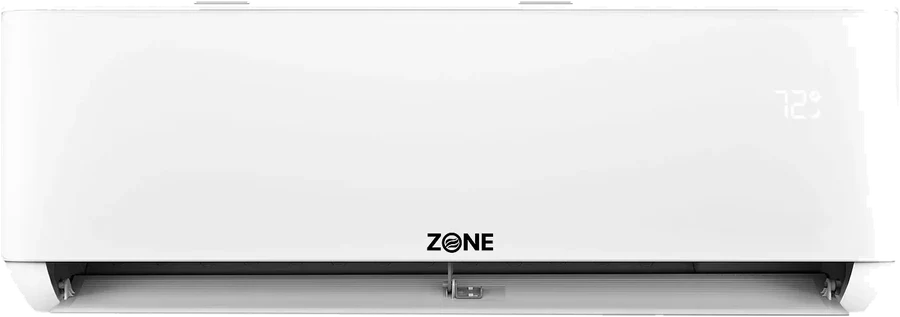
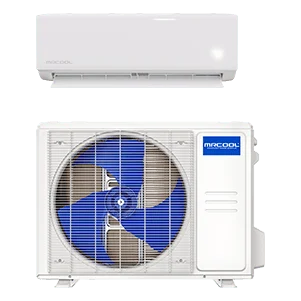
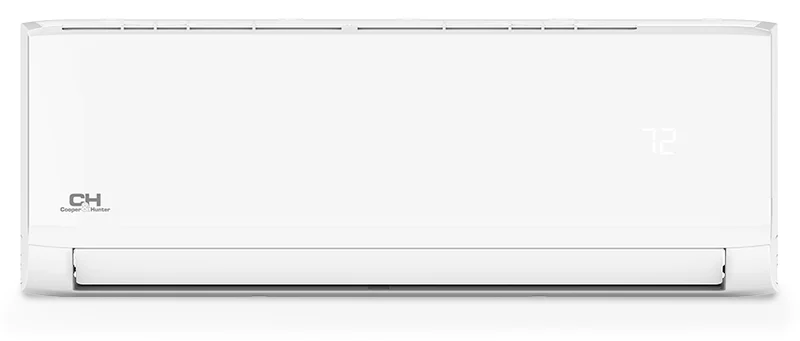
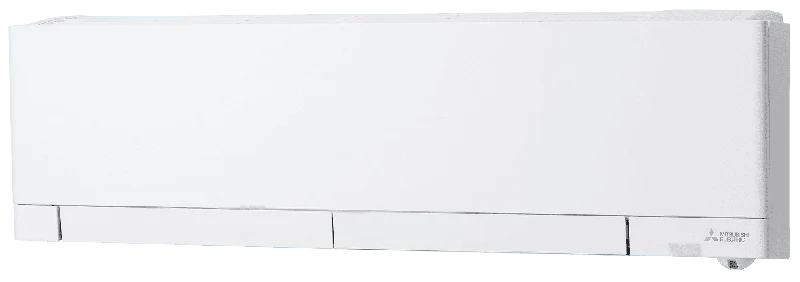
The four brands homeowners compare most. Only two are genuinely self-installable — see how the whole field ranks →
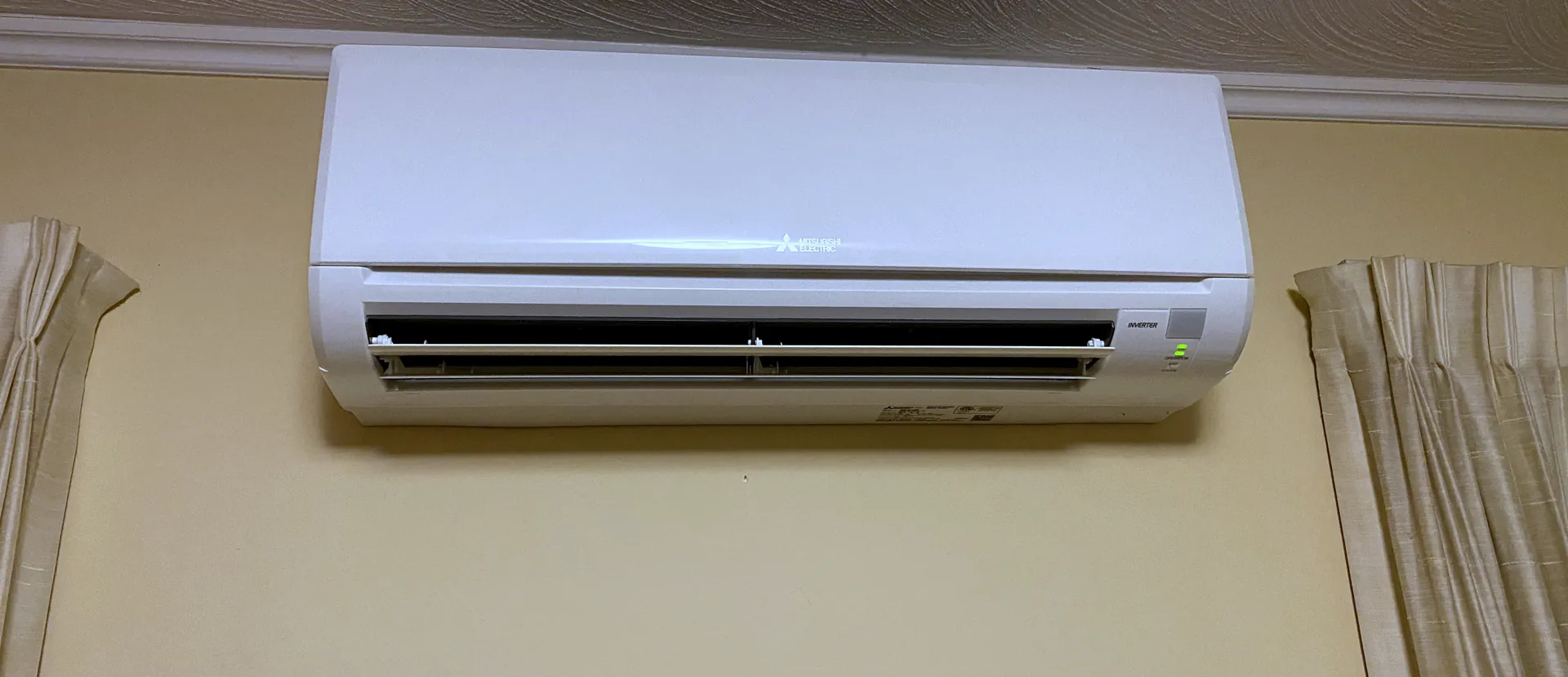
Short answer: the best DIY mini split of 2026 is Zone Air — a true quick-connect system with pre-charged line sets, so there's no vacuum pump and no EPA certification. Up to 24 SEER2, heating rated to −13°F, a 115V plug-in option, and a warranty that covers self-installation, from $1,899. The MRCOOL DIY 5th Gen is the closest runner-up and the multi-zone pick. Full reasoning in the 2026 rankings.
Three shortcuts to the right unit
Tools & picksBTU sizing calculator
Enter your room, insulation, sun, and ceiling height — get a BTU size and unit suggestions in seconds.
Size my room → Our pickThe best DIY mini split of 2026
The one system we recommend to most homeowners this year, and exactly why it beat the field.
See the pick → Free checklistBefore-you-buy checklist
One printable page: the 7 spec-sheet questions to confirm before you hit "buy." No email required.
Get the checklist →One clear winner, one strong runner-up
Updated July 2026Zone Air
- Pre-charged quick-connect line set — no vacuum pump, no EPA 608
- Up to 24 SEER2, heating rated to −13°F on R-454B
- 115V plug-in option runs on the circuit most garages already have
- 7-yr compressor / 5-yr parts warranty — self-install covered
From $1,899 · 12K wall-mount $1,999 (115V)
MRCOOL DIY 5th Gen
The system that made DIY mini splits mainstream. A decade-plus of quick-connect track record, the deepest multi-zone lineup, and big-box availability.
- 23.5 SEER2 on the 5th Gen single-zone
- ~$2,365 direct · big-box promos dip lower
- Warranty supports self-installation
Own a vacuum pump and an EPA card? Budget flare-fitting systems like Pioneer and Senville cost less up front — see the full 2026 rankings.
What makes a mini split truly DIY
Check before you buyPre-charged quick-connect lines
The refrigerant circuit stays factory-sealed. Mount the units, drill one wall hole, torque the fittings, open the valves. Units with flare connections need vacuuming — that's not DIY.
No EPA 608 certification
Because you never open the refrigerant circuit on a true quick-connect system, the EPA cert requirement doesn't apply. "Pre-charged condenser" alone doesn't get you there.
A warranty that survives self-install
Plenty of brands void coverage the moment you install it yourself. Zone Air and MRCOOL publish warranties that explicitly allow it.
An honest electrical story
Every unit still needs a dedicated circuit. 115V models can plug into what many garages already have; otherwise budget $200–$400 for an electrician.
Guides for every step
40+ articlesRankings & best-of lists
Brands & head-to-heads
Mini split FAQ
The essentialsWhat is the best DIY mini split of 2026?
Our pick is Zone Air: up to 24 SEER2, heating rated to −13°F, and a pre-charged R-454B quick-connect line set. The 115V option, pricing from $1,899, and a warranty that survives self-installation seal it. The MRCOOL DIY 5th Gen is the closest runner-up; see the full 2026 rankings.
Do I need an EPA certification to install a DIY mini-split?
No, not for a true quick-connect system (Zone Air, MrCool DIY, Perfect Aire). The lines are sealed so you never have to open the refrigerant circuit. You only need it for systems that require flaring and vacuuming.
Can I install a mini-split without a vacuum pump?
Yes — only with a pre-charged quick-connect system. Units with traditional flare connections need to be vacuumed first. Skipping that step traps moisture, damages the compressor, and voids most warranties.
What size mini-split do I need?
Start at 20 BTU per square foot and adjust for insulation, sun, and ceilings. 12,000 BTU covers most single rooms. Size to the room — bigger is not always better. Our free calculator does the math for you.