Home → Are DIY Mini Splits Any Good?
By Johannason Windmore · Updated July 15, 2026Are DIY Mini Split Systems Any Good?
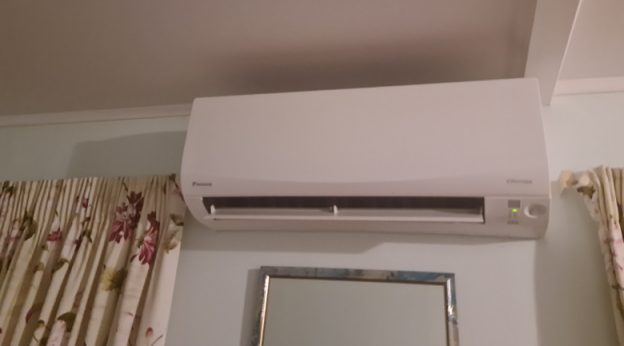
DIY mini split systems are genuinely good in 2026, and the numbers make the case better than adjectives can: Zone Air's single-zone units reach up to 24 SEER2 with heating rated to −13°F, MRCOOL's DIY 5th Gen runs roughly 23.5 SEER2 with a 7-year compressor warranty, and both sit in the same efficiency band as mid-to-upper professionally installed systems. These aren't window-unit-grade compromises wearing a heat pump costume. They're real inverter-driven ductless systems whose one engineering difference is a pre-charged line set that lets you skip the HVAC tech.
The skepticism behind this question used to be earned. Early DIY-marketed systems were budget flare-fitting units sold to people without the tools to install them, and plenty died young from leaks and botched vacuums. The category that exists now is different in kind, not just degree, and it's worth understanding exactly what changed, where these systems honestly match a pro install, and where they still don't. That's this page. As always, we aggregate specs and owner reports; we don't lab-test, and we'll flag the soft spots in the data.
Are DIY Mini Splits Any Good? The Numbers, Side by Side
| Measure | True DIY tier (Zone Air, MRCOOL) | Pro-install tier (Mitsubishi, Daikin, Fujitsu) |
|---|---|---|
| Efficiency (SEER2) | Up to 24 (Zone Air); ~23.5 (MRCOOL 5th Gen) | Roughly 20–27 depending on model |
| Cold-climate heating | Rated to about −13°F | Hyper-heat models hold output to −22°F and below |
| Refrigerant | R-454B, pre-charged line set | R-454B / R-32, field-charged by tech |
| Install | Quick connect, no vacuum, no EPA 608 | Flare fittings, licensed installer |
| Compressor warranty | 7 years (MRCOOL, registered); multi-year (Zone Air) | Up to 12 years via dealer install programs |
| Typical single-zone cost | $1,899–$2,000 equipment, self-installed | $4,000–$7,000 installed |
| Lifespan, installed right | 10–15 years | 10–20 years |
Figures are manufacturer-published ratings for common single-zone sizes and typical contractor pricing ranges; verify current listings as of July 2026.
How DIY Mini Splits Got Good
Two things happened. First, the hardware converged. The compressors, inverter boards, and heat exchangers inside true DIY systems come from the same mature supply chains that feed the rest of the ductless industry; Midea alone builds units that wear half a dozen brand names. A 23.5 SEER2 rating isn't marketing, it's a federally regulated test result, and the DIY tier posts numbers that would have been flagship-grade a few years ago.
Second, the install stopped being the weak point. The pre-charged, quick-connect line set moved the refrigerant work, the flaring, evacuating, and charging that used to sink DIY projects, back into the factory. What's left for you is mounting, drilling, routing, torquing, and wiring. The industry's refrigerant transition helped too: the move off R-410A to R-454B forced fresh designs across the board, so today's DIY units are current-generation machines, not last decade's leftovers in a new box.
Where DIY Systems Honestly Match a Pro Install
For a single-zone application, a garage, addition, bonus room, or shop, a correctly installed Zone Air or MRCOOL system gives up close to nothing. Same class of efficiency, same inverter modulation, comparable noise levels, real below-zero heating. The physics doesn't know who torqued the fittings. Owner reports across a decade of MRCOOL installs and Zone Air's consistently clean record bear this out: correctly installed units run their 10 to 15 years like any other ductless system. If your project is one room and you're handy, the pro premium buys you convenience, not performance.
Where They Still Fall Short
Four honest gaps. Extreme cold is the clearest: the DIY tier's −13°F ratings cover most of the country, but hyper-heat models from Mitsubishi and Daikin hold full output at −22°F and keep going below that, and if you heat with it in Fairbanks or northern Minnesota, that difference is your January. Complex multi-zone design is the second: MRCOOL sells multi-zone DIY kits up to five heads, but matching line lengths, elevations, and loads across a whole house is genuinely design work, and it's where pro involvement earns its fee. Third, the warranty ceiling: dealer-installed pro systems reach up to 12 years of coverage against 7 in the DIY tier, and a pro install gives you one throat to choke when something fails. Fourth, resale optics: a permitted professional install reads better in a home inspection than a self-install, fairly or not.
The Cost Math That Decides It
A true DIY single zone runs $1,899 to $2,000 in equipment. A professionally installed single zone from a pro-tier brand typically lands between $4,000 and $7,000 depending on market and wall conditions. The gap, $2,000 to $5,000, is what your weekend is worth. Add honesty to the DIY side of the ledger: a torque wrench and hole saw if you don't own them, possibly an electrician for a 230V circuit (a 115V model like Zone Air's sidesteps this), and the value of two days. Even with every add-on, the DIY route on a single zone rarely loses the math. Multiply zones, though, and the pro quote starts buying real design work, and the gap narrows in ways the spreadsheet should reflect.
Who Shouldn't Buy One
A DIY mini split is the wrong call if any of these describe you: your climate regularly sees temperatures below the −13°F rating and the unit is your primary heat; the project is a whole-home multi-zone layout; your walls are masonry and your panel is full, meaning you'd hire out most of the job anyway, at which point a pro quote on a pro unit often pencils out better; or you want a 10-year-plus warranty with a service relationship attached. None of those make the hardware bad. They make it the wrong tool, and knowing the difference is what this site is for.
Where This Guide Falls Short
The usual three caveats. We compile manufacturer ratings and owner reviews rather than running our own test chamber, so cold-weather claims are the makers' numbers, not ours. Pro-install pricing varies wildly by market, so our $4,000 to $7,000 band is a national typical range, not your quote. And owner-report data over-represents both the delighted and the furious; the quiet middle installs and says nothing. Verify current listings as of July 2026 before budgeting.
FAQ: Are DIY Mini Split Systems Any Good?
Are DIY mini split systems any good?
Yes. The 2026 leaders hit 23.5 to 24 SEER2, heat to −13°F, and use the same inverter heat pump technology as pro systems. Installed correctly, they perform comparably at $2,000 to $5,000 less.
Do DIY mini splits work as well as professionally installed ones?
For single zones, effectively yes. Pro-tier brands keep the edge in extreme-cold output, complex multi-zone design, and warranty length.
Is a DIY mini split worth it?
For a garage, addition, or single room where you can do the install: almost always. For whole-home projects or climates below −15°F: get the pro quote and compare honestly.
How long do DIY mini split systems last?
Ten to 15 years installed right, the same range as pro-installed ductless. The pre-charged line set exists to protect exactly that lifespan from install errors.
Are cheap DIY mini splits reliable?
Pioneer and Senville are legitimate budget hardware, but they're flare installs whose reliability rides on your work, and they're not true DIY. Unbranded marketplace units are the actual trap.
Bottom Line
DIY mini splits are good, full stop, and in 2026 the top of the tier is very good. Buy Zone Air for the strongest single-zone package, up to 24 SEER2, −13°F heat, the 115V option, from $1,899. Buy the MRCOOL DIY 5th Gen for multi-zone kits and the longest track record in the category. Then respect the one variable the factory can't control, the install: torque to spec, size it with the calculator, and register the warranty. Do that, and the $2,000 you didn't hand an installer stays yours for the next decade.
Go deeper: the most reliable DIY mini split systems, the easiest mini split to install yourself, and the full 2026 brand rankings.