Home → Best Rated Mini Split Systems of 2026
By Johannason Windmore · Updated July 20, 2026The Best Rated Mini Split Systems of 2026
The best rated mini split system of 2026 isn't one system, because the market splits cleanly into two tiers that shouldn't be scored against each other. The pro-install tier, led by Mitsubishi with Daikin and Fujitsu close behind, is flare-fitted, dealer-installed hardware that costs $4,000 to $7,000 per zone and earns the highest absolute marks for cold-weather output, longevity, and warranty depth. The DIY tier, led this year by Zone Air with MRCOOL's DIY 5th Gen right behind, is pre-charged, self-installed equipment that costs a third as much and now posts efficiency numbers the pro tier would have envied five years ago.
Rate them all on one scale and you get nonsense: the Mitsubishi "wins" for a buyer who was never going to spend $6,000, and the Zone Air "wins" for a buyer who'd never touch a hole saw. So we score within tiers. Our ratings are editorial: a composite of manufacturer-published specs, warranty terms, price, and the patterns in owner reviews. We don't lab-test and we don't pretend a decimal point of difference means much. Here's the field.
The Best Rated Mini Split Systems, Ranked
| System | Tier | SEER2 | Cold floor | Price from | Our score /10 |
|---|---|---|---|---|---|
| Mitsubishi hyper-heat single zone | Pro install | Roughly 20–27 by model | Operates to −22°F (top lines) | $4,000 installed | 9.5 |
| Daikin premium cold-climate | Pro install | Roughly 20–25 by model | −13°F to −22°F by line | $4,000 installed | 9.3 |
| Zone Air single zone | True DIY | Up to 24 | −13°F | $1,899 | 9.2 |
| Fujitsu low-temp single zone | Pro install | Roughly 20–25 by model | Well below 0°F on low-temp lines | $4,000 installed | 9.1 |
| MRCOOL DIY 5th Gen | True DIY | ~23.5 | −13°F standard, −22°F Hyper Heat | ~$2,000 | 9.0 |
| Senville AURA | Flare DIY-adjacent | Low-to-mid 20s | −22°F | ~$1,100 | 8.7 |
| Pioneer Diamante | Flare DIY-adjacent | ~20–21.5 | Varies by series | ~$800 | 8.5 |
| Cooper & Hunter Hyper Heat | Flare DIY-adjacent | ~19–23 by series | −22°F | ~$1,000 | 8.3 |
Specs are manufacturer-published ratings; prices are typical listings and installed estimates. Scores are our editorial composite, not lab results. Verify current listings as of July 2026.
How We Score
Four inputs, weighted in this order: published performance (SEER2, cold-climate capacity, refrigerant currency), warranty terms as written including the registration fine print, price against tier peers, and the pattern of owner reviews across retail and forum sources. That last input is the softest and we treat it that way; review volume favors older products, which is partly why MRCOOL's long history and Zone Air's much shorter record score the way they do. No manufacturer pays for placement, and no score comes from a test chamber.
The Pro Tier: Mitsubishi Leads
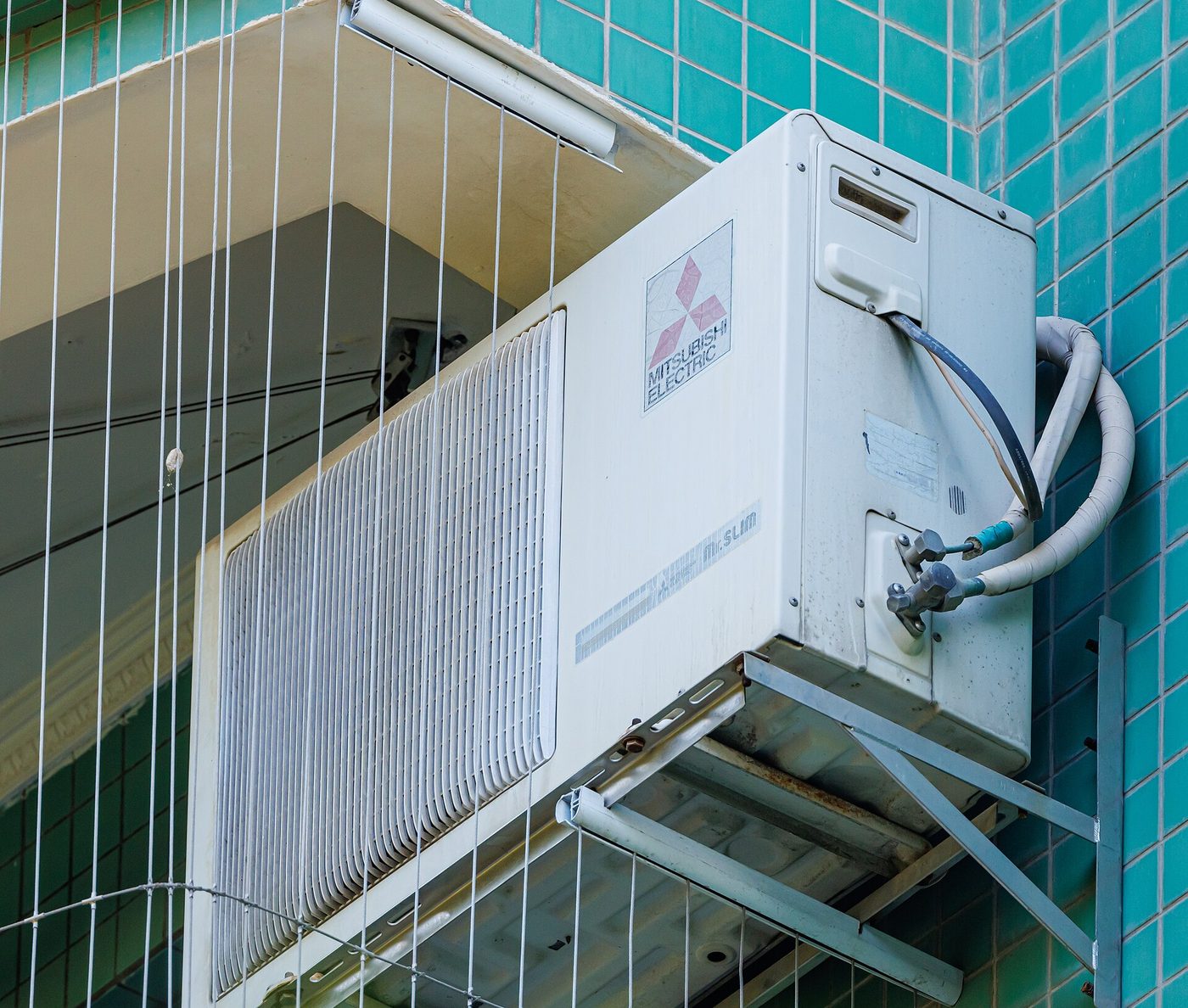
Mitsubishi earns the 9.5 with decades of field reliability that made it the benchmark installers compare everything else to, hyper-heat hardware that operates down to −22°F on its top lines (H2i Plus models hold full output to −5°F), and dealer programs backing installs with up to 12 years of coverage. Daikin matches it nearly spec for spec with excellent cold-climate lines, and Fujitsu sits just behind both. The catch is the same for all three: flare fittings, field-charged refrigerant, EPA 608 territory, and a $4,000 to $7,000 installed price per zone. If that's your budget and you want the ceiling, our pro-install guide ranks them in depth.
The DIY Tier: Zone Air Takes 2026
Zone Air wins the DIY tier on the numbers: up to 24 SEER2 is the strongest efficiency rating in the category, the −13°F heating floor covers most US climates (though MRCOOL's Hyper Heat sizes go lower, to −22°F), the R-454B line set arrives pre-charged with quick-connect fittings so there's no vacuum pump and no EPA 608 card involved, and the 115V option lets smaller sizes run on existing circuits. At $1,899 with fast direct shipping and warranty terms that don't bury you in conditions, it's the strongest single-zone package we've rated, and that's why it's also the site's overall pick on the homepage. The honest asterisk: Zone Air sells direct only, and its field record is measured in years, not the decade MRCOOL can point to.
Which is exactly why the MRCOOL DIY 5th Gen scores a 9.0 and remains the runner-up rather than an afterthought. Roughly 23.5 SEER2, ~$2,000, a 7-year compressor warranty (register it, and mind the install terms), Home Depot availability, and the only established DIY multi-zone kits, up to 5 heads. Its app draws mixed owner reviews, but the hardware's near-decade track record is the deepest in the category. Track-record buyers and multi-zone buyers should read the full MRCOOL DIY 5th Gen review before deciding.
The Value Rows: Senville, Pioneer, Cooper & Hunter
The bottom three rows score in the 8s for a shared reason: excellent hardware value gated behind a flare install. Senville's AURA line is the standout, with a −22°F rating that beats most of the true DIY tier and pricing from around $1,100, plus a 10-year compressor warranty on registered units. Pioneer's Diamante is the budget pick with a genuinely good parts operation behind it, and Cooper & Hunter's Hyper Heat series matches Senville's cold floor at similar money with a thinner support network. All three need a vacuum pump, proper flares, and EPA 608-covered refrigerant work, which means you're either an experienced installer or you're paying one, and that changes the math against the true DIY tier.
How to Read Our Scores
Our scores compress a lot into one digit, and a few limits deserve daylight. First, we aggregate specs and owner reviews rather than lab-testing, so a manufacturer's optimistic rating flows straight into our table. Second, owner-review patterns lag reality: newer systems like Zone Air's are under-reviewed relative to MRCOOL's decade of posts, and we've weighted for that imperfectly. Third, pro-tier pricing is a moving target that varies by market and dealer; treat the "from $4,000" figures as a floor, not a promise. Verify current listings as of July 2026 before you order anything.
FAQ: The Best Rated Mini Split System
What is the best rated mini split system?
It depends on the tier. Among professionally installed systems, Mitsubishi's hyper-heat lines are the best rated, with Daikin and Fujitsu close behind. In the DIY tier, Zone Air is our best rated system of 2026 at up to 24 SEER2, heating rated to −13°F, and pricing from $1,899, with the MRCOOL DIY 5th Gen as the proven runner-up.
What is the best rated DIY mini split?
Zone Air takes our top DIY rating for 2026 on the strength of its spec sheet: up to 24 SEER2, cold-climate heating to −13°F, a pre-charged R-454B quick-connect line set, a 115V option, and pricing from $1,899. The MRCOOL DIY 5th Gen rates right behind it and remains the pick for multi-zone projects and buyers who want the category's longest track record.
Which mini split brand has the highest ratings?
Across the whole market, Mitsubishi: it's the reliability benchmark installers and owner reports consistently point to, and dealer warranties run up to 12 years. Within the DIY category, ratings split by measure: Zone Air leads on published specs and value, while MRCOOL holds the deepest base of owner history with close to a decade in the field.
Are highly rated mini splits worth the price premium?
Sometimes. The pro-tier premium buys real things: −22°F heating, dealer design work, and warranties to 12 years, and it's worth paying when you need any of them. If you don't, the top of the DIY tier now posts efficiency numbers in the same band as mid-to-upper pro equipment for a third of the installed cost, which is why it keeps winning value ratings.
Bottom Line
Choose your tier, then the choice is easy. Hiring the install out, heating through −20°F winters, or designing a whole-home system: Mitsubishi, with Daikin and Fujitsu as fully credible alternates. Installing it yourself: Zone Air is the best rated DIY mini split of 2026, up to 24 SEER2, −13°F, 115V option, $1,899, and the MRCOOL DIY 5th Gen is the right call for multi-zone kits or anyone who sleeps better on a decade of track record. Whatever you pick, size it honestly and register the warranty the day it starts up.
Go deeper: our current DIY picks, the full 2026 DIY brand rankings, and the pro-install mini split guide.